As Singaporeans look back on 2025, the year stands out as a turning point in how we cool our homes. Amid rising temperatures, climate initiatives and smarter technology reshaped our approach to comfort and energy use. With more households prioritising efficient cooling, maintaining systems and reducing energy spikes, the lessons from 2025 are relevant for every homeowner preparing for the years ahead.
Adapting To National Cooling Guidelines
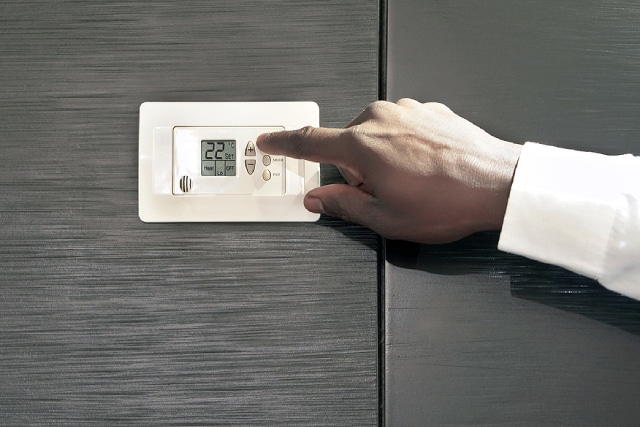
A defining moment in 2025 was the Go 25 movement, a nationwide push encouraging residents and businesses to set indoor cooling systems at 25°C or higher to balance comfort with energy conservation. Supported by the Ministry of Sustainability and the Environment and the Singapore Green Building Council, Go 25 highlighted that sustainable indoor temperatures do not necessarily mean compromising comfort, especially when combined with good fan use and airflow management.
For many households, this shift meant learning to manage expectations and adapting daily habits. By increasing settings slightly on their air conditioning units and pairing them with ceiling fans or strategic ventilation, families found they could still stay comfortable while reducing energy use. This small shift not only helped the environment but also eased some of the strain on electricity bills.
Balancing Comfort With Energy Efficiency
Singapore’s tropical climate makes air conditioning essential, yet it is also one of the biggest contributors to household energy use. In 2025, many homeowners became more proactive in optimising their systems instead of simply running them at maximum power around the clock. Simple measures, such as using programmable thermostats, setting timers and cooling only occupied rooms, became part of everyday practice.
Routine maintenance played a big role too. When air conditioners are not properly cared for, they lose efficiency faster and demand more energy. For this reason, preventative servicing, including cleaning filters, checking refrigerant levels and ensuring proper airflow, was a priority in many homes. Professional checks helped identify issues early and reduce the frequency of costly breakdowns, which in turn supported longer system lifespans.
Smart Technology And Smarter Homes
The rise of smart cooling technology in 2025 transformed how Singaporeans interacted with their home climate control. Homes equipped with networked thermostats and sensors could automatically balance cooling with occupancy and outdoor weather changes, saving energy without sacrificing comfort.
For example, AI-enabled systems could detect when a room was empty and adjust or pause cooling to avoid waste, while linked apps gave homeowners remote control to tweak temperature settings when they were away. This ability to optimise usage in real time was one of the biggest technological leaps for residential cooling last year.
Role Of Design And Passive Cooling
While mechanical cooling systems remained indispensable, many homes leveraged passive design strategies to stay cool naturally. Cross-ventilation techniques, such as opening windows on opposite sides of a flat to let air flow through, substantially reduced reliance on air conditioners during cooler parts of the day.
Lighter interior finishes, strategic shading from plants or blinds, and mindful furniture placement also contributed to maintaining lower indoor temperatures. Collectively, these methods highlighted the importance of thinking beyond machines and considering the home itself as part of a broader comfort strategy.
Community Innovations And Shared Solutions
Singapore’s innovation ecosystem also delivered creative approaches outside traditional split-system air conditioning. For example, district cooling networks, systems where a centralised plant cools water and distributes it to multiple buildings, began to take shape in town centres like Tampines. These networks use less energy overall and produce fewer emissions than conventional cooling methods, offering a glimpse into what future urban cooling could look like.
Such communal systems are still emerging and are currently more typical in commercial or mixed-use developments than in individual homes. Nevertheless, they encourage homebuilders and policymakers to think collectively about cooling, especially in denser neighbourhoods where combined energy usage is high.
Maintenance And Mitigation: Keeping Systems Healthy
Despite all the efficiency strategies, traditional air conditioning remains central to Singapore households. With regular use, though, comes the inevitability of wear and tear. That’s where timely professional help becomes crucial. Many homeowners began taking aircon repair and maintenance more seriously in 2025, as they recognised that untreated issues can lead to decreased performance and higher energy consumption.
From addressing refrigerant leaks and compressor issues to fixing strange noises or drainage problems, expert diagnoses prevented minor concerns from becoming major problems. These interventions also helped keep systems running at peak performance through the hottest months of the year.
Embracing Sustainable Cooling Culture
The cultural shift in Singapore towards smarter cooling has been remarkable. No longer viewed solely as a personal comfort choice, cooling practices have become part of a broader conversation about sustainability. Households are now more mindful about setting temperatures that are comfortable yet responsible, using fans in conjunction with air conditioning, and applying energy-saving techniques whenever possible.
This trend shows a mature understanding that climate resilience doesn’t mean sacrificing quality of life but rather optimising how we use the tools available to us. The Go 25 movement in particular acted not only as a guide but as a rallying point for communities to think differently about cooling habits.
Future Directions For Singapore Homes
Looking ahead, the lessons from 2025 offer a blueprint for future home cooling strategies. Continued emphasis on energy-efficient systems, regular maintenance schedules, incorporation of smart technologies, and broader adoption of passive cooling techniques will shape how we stay comfortable in an increasingly warm and energy-aware world.
Homeowners can take control by investing in quality servicing, exploring new technology, and maintaining systems proactively. At the same time, ongoing national efforts, including energy performance standards for new equipment, will push the market towards more efficient, environmentally friendlier solutions.
Conclusion: Cooling Comfort With Confidence
In summary, 2025 was a year where Singapore households learned to balance comfort, cost and sustainability. From adopting national temperature guidelines and leveraging smart technology to embracing maintenance and smart design, the lessons are clear: cooling efficiently is as much about behaviour and planning as it is about machines.
By learning from 2025 and investing in smart cooling habits today, Singapore homes can stay comfortable, resilient and efficient well into the future.